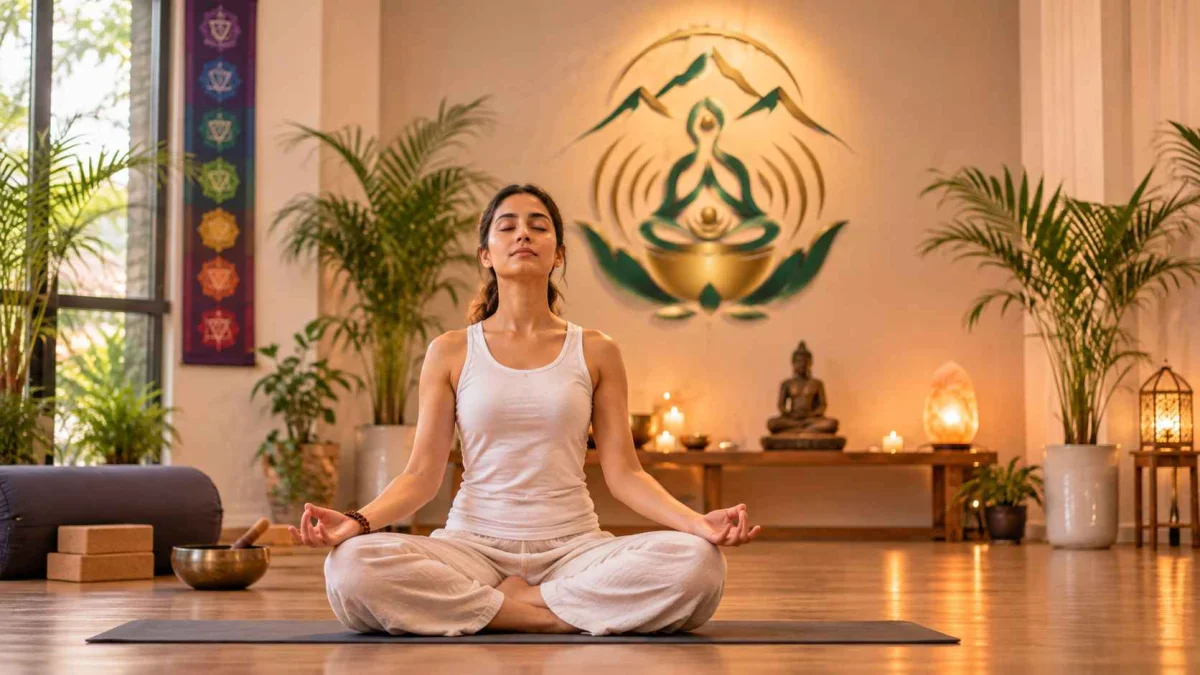
What Is Yin Yoga?
Yin Yoga is a slower and quieter style of yoga that gives you time to remain in a posture, notice your breathing and become more aware of physical sensations without rushing into the next movement.
If you have spent the day walking around Kathmandu, working at a computer, traveling through Nepal or practicing more active yoga, a Yin Yoga class can provide a very different experience.
Instead of moving continuously as you might in Vinyasa Yoga, Yin Yoga normally focuses on a smaller number of mainly seated or floor-based poses.
At Yoga in Thamel, we encourage students to approach Yin Yoga with patience. You do not need to force yourself deeper into a posture. The purpose is to find a position you can observe comfortably while allowing time, breathing and awareness to become part of the practice.
What Happens During a Yin Yoga Class?
A Yin Yoga class usually begins quietly. Your teacher may first invite you to notice your breathing and how your body feels that day.
The physical practice may then include poses for the hips, legs, lower back, shoulders and spine.
Common Yin-style postures can include:
- Butterfly variations
- Dragon or low-lunge variations
- Child's Pose
- Seated forward folds
- Gentle spinal twists
- Reclining hip-opening postures
- Supported resting positions
Unlike a faster yoga class, there is usually no need to hurry.
You may remain in a posture for several minutes before slowly changing position.
Why Do People Practice Yin Yoga?
People choose Yin Yoga for different reasons.
Some want a slower practice after a busy day. Others use it to balance physically active activities such as trekking, running, gym training or stronger yoga styles.
A consistent Yin Yoga practice may help you develop greater awareness of your body, breathing and movement habits.
It can also provide time away from phones, work, travel planning and constant activity.
Is Yin Yoga Good for Beginners?
Yes. Yin Yoga can be suitable for beginners because the practice does not require advanced poses or complicated sequences.
However, slower does not always mean easier.
Remaining still can feel surprisingly challenging, especially if you are accustomed to constant movement.
The important thing is to avoid treating depth as the goal.
Your teacher may show you different variations or suggest using cushions, blocks and other support when available.
Do I Need to Be Flexible?
No.
You do not need to be flexible before starting Yin Yoga.
Every person has different proportions, mobility and physical history. Two people may therefore look very different while practicing the same posture.
The aim is not to copy the person next to you.
Instead, choose a position in which you can breathe naturally and remain attentive.
Yin Yoga vs Hatha Yoga
Hatha Yoga often includes standing postures, balance, breathing practices and deliberate alignment.
Yin Yoga is generally quieter and includes more floor-based postures held for longer periods.
Both practices can work very well together.
You may choose Hatha when you want a balanced physical practice and Yin when you want something slower.
Yin Yoga vs Vinyasa Yoga
Vinyasa Yoga connects movement with breathing through flowing sequences.
Yin Yoga changes the pace completely.
Instead of repeatedly moving from one pose into another, you remain in fewer positions for longer.
Many students enjoy practicing both.
Yin Yoga for Travelers in Kathmandu
Travel can be physically demanding even when you are not trekking.
Flights, buses, backpacks, unfamiliar beds and long days of sightseeing can leave the body feeling stiff.
If you are staying in Thamel, attending a Yin Yoga class in Kathmandu can give you a quiet break from a busy itinerary.
You can also combine your session with a Sound Bath or Sound Meditation when you want an even quieter wellness experience.
Yin Yoga After Trekking in Nepal
After completing a trek, your legs and feet may feel tired from repeated climbing and descending.
It can be tempting to stretch as deeply as possible immediately after returning.
A better approach is often to begin gently and pay attention to fatigue.
Choose comfortable yoga variations and avoid forcing tired muscles or joints.
If your body needs more active movement, you can explore Hatha Yoga. If you feel energetic and want a flowing practice, try Vinyasa Yoga.
Can Yin Yoga Be Combined With Meditation?
Yes.
Because Yin Yoga contains periods of stillness, it naturally creates opportunities to observe your breathing, thoughts and physical sensations.
If meditation interests you, explore our Sound Meditation in Thamel sessions as well.
What Should I Wear?
Wear comfortable clothing that allows you to sit, bend and stretch easily.
Because the practice is slower, some people prefer an extra layer during cooler weather.
Who Can Join?
Yin Yoga can be suitable for:
- Beginners
- Travelers
- Local residents
- Trekkers returning to Kathmandu
- People balancing active exercise
- Yoga practitioners wanting a quieter practice
If you have a current injury, recent surgery or significant physical limitation, let your teacher know before class.
Experience Yin Yoga in Thamel
A Yin Yoga session gives you permission to slow down.
You do not need to achieve an advanced posture or prove anything through flexibility.
You simply practice paying attention.
If you are searching for Yin Yoga in Thamel, Kathmandu, explore our Yin Yoga classes and choose a session that fits your stay.
You can also explore our daily yoga and wellness services, training courses and yoga and wellness packages.
Book your yoga session in Thamel or contact us if you would like help choosing the right practice.