Sound Bath in Thamel, Kathmandu
Experience a Sound Bath in Thamel, Kathmandu with Himalayan singing bowls and resonant sound in a calm, fully clothed resting session suitable for beginners and travelers.
About this service
The experience, the atmosphere, and what to expect when you arrive.

Experience a Sound Bath in Thamel, Kathmandu with Himalayan singing bowls and resonant sound in a calm, fully clothed resting session suitable for beginners and travelers.
Full description
Everything you need to know — in the studio’s own words.
Experience a Sound Bath in Thamel
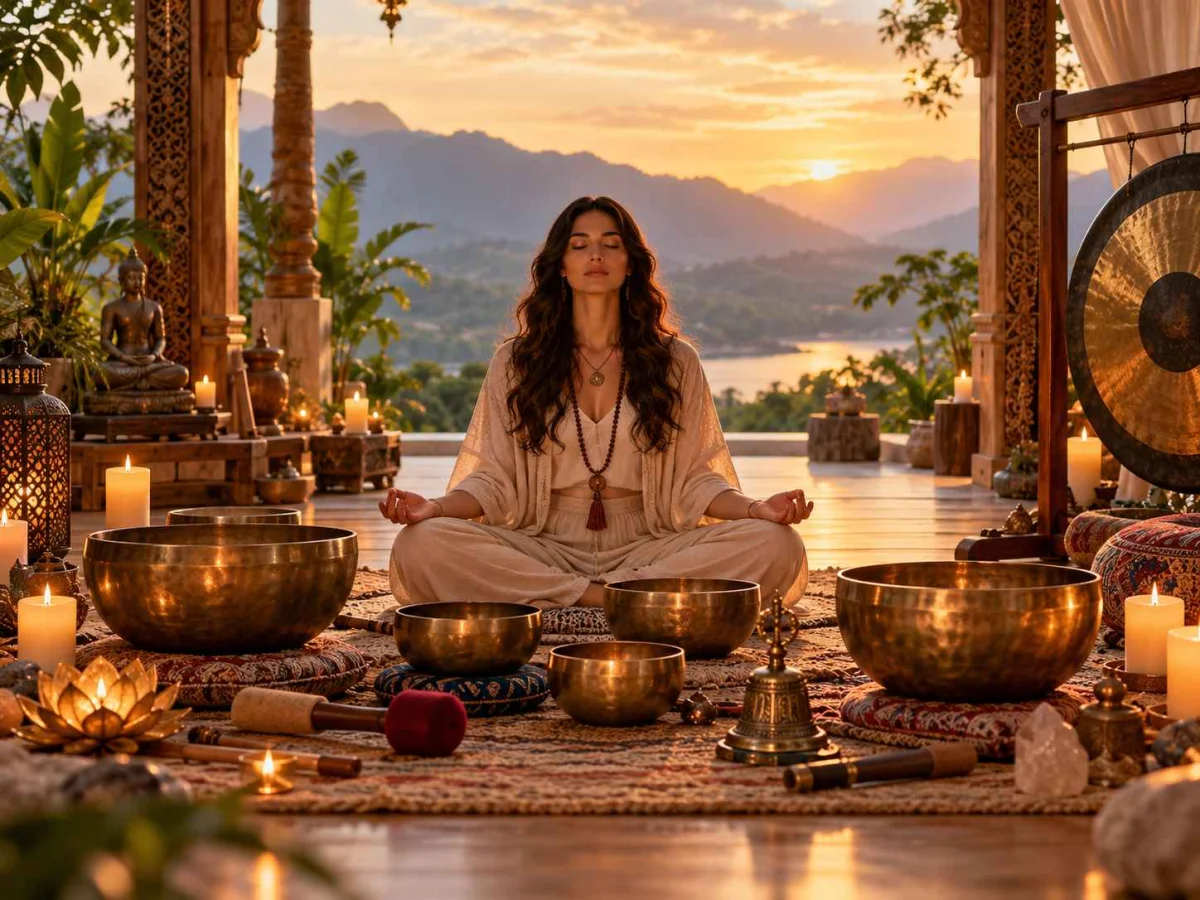
A Sound Bath in Thamel, Kathmandu gives you a simple task: become comfortable and listen. Instead of following a physical sequence, you rest while Himalayan singing bowls and other resonant instruments create changing layers of tone in the room. The term “bath” does not involve water; it describes the experience of being surrounded by sound.
For travelers, the contrast can be striking. Thamel is active and stimulating. A sound session creates a period in which you do not need to navigate traffic, plan a trek or make another travel decision.
What Happens During a Sound Bath?
The session usually starts with a short introduction. Participants then settle into a comfortable seated or lying position. Once the room becomes quiet, the practitioner gradually introduces sound. Tones build, overlap and fade. Silence between sounds is part of the experience as well.
You do not need to perform a technique or understand music theory. Whenever your attention wanders, simply return to listening.
Himalayan Singing Bowls
Singing bowls are standing bells whose sides and rim vibrate to produce sustained tones. Bowls vary in size, weight, pitch and resonance, so several instruments can create a wide range of sound. Nepal is internationally associated with the craft and use of Himalayan singing bowls, making Kathmandu a natural place to experience and learn about them.
Sound Bath vs Sound Meditation
The terms sometimes overlap, but the intention can differ. A Sound Bath is generally more receptive: rest and listen. Sound Meditation may include more deliberate instructions around attention, breathing and awareness. If you are unsure, try both and notice the difference for yourself.
Sound Bath After Yoga
Movement and stillness can complement each other. Some guests practice Hatha Yoga or Vinyasa Yoga first and then allow the pace to drop during a Sound Bath. Yin Yoga also pairs naturally with sound when you want a quiet wellness day.
Sound Bath After Trekking
After a Nepal trek, you may want an activity that does not ask your legs to do more work. A Sound Bath requires little physical effort, which makes it attractive on a Kathmandu rest day. It is not a treatment for trekking injuries, however; significant pain or injury should receive appropriate professional assessment.
Do You Need to Meditate?
No. Some people become very focused, others notice many thoughts, and some become sleepy. There is no exam at the end. Listening itself is enough for a first session.
What to Wear and How to Prepare
Choose comfortable clothes and consider an extra layer because the body can cool when you remain still. You do not need to fast, but a very heavy meal immediately before lying down may feel uncomfortable.
Interested in Learning Singing Bowls?
Experiencing a Sound Bath often leads to curiosity about how the instruments are played. If you have limited time, explore One-Day Sound Healing Training. For a deeper foundation, see Basic Sound Healing Teacher Training in Kathmandu.
Who Can Join?
Book a Sound Bath in Kathmandu
A Sound Bath does not ask you to become more flexible, stronger or more advanced. You can simply arrive, rest and listen.
Explore Sound Bath in Thamel, compare Sound Meditation, or see our wellness packages for combinations with yoga and massage.
Book your Sound Bath or contact us for current session times.
What Does a Sound Bath Feel Like?
There is no universal response. One person may feel deeply relaxed, another may remain mentally active, and someone else may simply enjoy listening to unusual combinations of tone. Avoid judging the session by whether you experience a dramatic sensation. Sound can be meaningful without needing a mystical event.
Why Live Sound Feels Different From a Recording
Recorded sound can be beautiful, but live instruments interact with the room in real time. Volume, distance, resonance and the way one bowl overlaps another all change the listening experience. You can also hear the decay of a tone into actual silence rather than into the noise floor of headphones or speakers.
Sound Bath for First-Time Visitors
You do not need to know anything about chakras, meditation or singing bowls before attending. A first session can be approached simply as guided listening. If spiritual language is meaningful to you, you may interpret the experience through that lens. If not, you can still participate comfortably by paying attention to sound and rest.
Individual vs Group Sound Bath
A group session lets several people share the same sound field and is often the most accessible way to try a Sound Bath. A private session can be more personalized in pacing and positioning. Couples and small groups may also prefer a private format when they want to share the experience together.
Can Children Join?
Suitability depends on age, attention span, sound sensitivity and the specific session. Because a Sound Bath involves extended quiet, ask before bringing young children. The experience should remain comfortable for the child and the rest of the group.
Sound Sensitivity and Hearing Considerations
If you are unusually sensitive to sound, use hearing devices, have tinnitus concerns or feel uncertain about loud resonant instruments, discuss this before the session. The facilitator can explain likely volume and seating distance. A Sound Bath should not require you to endure sound that feels uncomfortable.
What About Pregnancy or Medical Devices?
When you are pregnant or have implanted medical devices or another relevant medical condition, seek appropriate professional advice and tell the facilitator before the session. Sound experiences should be presented responsibly rather than as universal medical treatment.
Can a Sound Bath Cure Anxiety or Pain?
We do not make that claim. Many people use sound-based practices because they find them relaxing or meditative, but a wellness session should not replace diagnosis or treatment from qualified health professionals. Responsible content is also better for long-term trust than exaggerated promises.
How Often Can You Attend?
There is no mandatory schedule. Some people attend once as part of a Nepal trip; others include sound in a regular meditation routine. Frequency should reflect your interest, budget and how you respond to the experience rather than a claim that you “need” a certain number of sessions.
Sound Bath and Himalayan Culture
Kathmandu is closely associated with the production and international trade of Himalayan singing bowls. Experiencing sound here can lead to deeper curiosity about craftsmanship, meditation traditions and how bowls are used by contemporary practitioners. That cultural context is one reason sound-based wellness has become a distinctive part of Kathmandu's visitor experience.
From Sound Bath to Sound Healing Training
If you are fascinated by the instruments, do not rush directly into teaching other people after a single experience. Start by learning how to hold, strike and listen to bowls consistently. Our one-day and basic training options provide a more appropriate progression from participant to student.
Plan a Quiet Evening in Thamel
A Sound Bath can work well after a day of temples, markets and traffic because it asks very little physically. Leave yourself enough time afterward that you do not have to jump immediately into another appointment. The value often comes from allowing the slower pace to continue for a while.
How Long Is a Typical Session?
A session around 45 to 60 minutes is common for first-time participants, although formats vary. The total booking time may include arrival, a short explanation, settling into position and a few minutes at the end before standing up. Ask about the exact format if you are planning the session between tours or transport.
Can You Attend Alone?
Yes. You do not need a partner or group. Solo travelers often choose Sound Bath because the activity does not depend on knowing anyone else in the room. Couples and friends can also attend together without needing to interact during the session.
What Makes a Good Sound Bath?
More instruments do not automatically create a better experience. Thoughtful pacing, appropriate volume, comfortable positioning and enough silence can matter more than playing continuously. The facilitator should create a setting where participants can listen without feeling overwhelmed by sound.
Where to find us
Yoga Thamel welcomes you in Kathmandu, Nepal.