Ashtanga Yoga in Thamel, Kathmandu
Practice Ashtanga Yoga in Thamel, Kathmandu through a structured sequence that combines breath, focused movement, repetition and disciplined attention.
About this service
The experience, the atmosphere, and what to expect when you arrive.

Practice Ashtanga Yoga in Thamel, Kathmandu through a structured sequence that combines breath, focused movement, repetition and disciplined attention.
Full description
Everything you need to know — in the studio’s own words.
A Structured Yoga Practice in Kathmandu
Ashtanga Yoga in Thamel, Kathmandu appeals to students who value consistency. Rather than receiving an entirely different sequence every class, Ashtanga works with a recognizable progression of postures and transitions. Repetition allows you to observe changes that are easy to miss when the structure constantly changes.
The practice combines posture, breath and focused attention. It can be physically demanding, but intensity should not be confused with quality. A sustainable practice develops through appropriate pacing, technique and repetition.
What Makes Ashtanga Different?
Ashtanga Yoga is known for structured sequencing. Students gradually become familiar with the order of postures and how transitions connect them. This creates a useful learning environment: when you do not need to wonder what comes next every moment, you can pay more attention to breathing, alignment and your own patterns.
Beginners do not need to complete an entire traditional sequence immediately. A teacher can introduce a manageable portion and use modifications where necessary.
Breath and Repetition
Repeating a sequence does not make the practice boring; it makes comparison possible. You begin noticing that one side feels different from the other, that balance changes from day to day, or that a transition becomes smoother when breathing remains steady. Progress becomes less about collecting difficult poses and more about understanding the practice.
Ashtanga vs Vinyasa Yoga
Ashtanga and Vinyasa Yoga are closely related in their use of breath and movement, but general Vinyasa classes usually allow more creativity in sequencing. Ashtanga is more consistent. Students who enjoy variety may prefer Vinyasa, while students who like repeating a defined framework may enjoy Ashtanga.
Ashtanga vs Hatha Yoga
Hatha Yoga normally moves at a steadier pace with more time to study individual postures. Ashtanga links a larger number of movements into a structured progression and may feel more physically continuous. Beginners who want extra time to understand basic poses may choose Hatha first and explore Ashtanga afterward.
Is Ashtanga Good for Travelers?
If you already maintain an Ashtanga practice, joining a class while traveling can provide continuity during your stay in Nepal. If you are new to the method, Kathmandu can also be a place to experience a guided introduction without committing to an advanced practice.
People returning from strenuous trekking should assess fatigue before choosing a demanding session. A slower Yin Yoga or Hatha class may be more suitable on the first rest day.
What to Expect Physically
A class may contain Sun Salutations, standing postures, forward folds, twists, balance and repeated transitions. The exact content depends on the class level. Because the practice builds heat and requires concentration, arrive hydrated and avoid a heavy meal immediately beforehand.
Who May Enjoy Ashtanga?
Balance Strong Practice With Recovery
A demanding yoga practice benefits from sensible recovery. On another day, use Yin Yoga for a slower pace, or explore a Sound Bath when you want to rest without another physical sequence.
Practice Ashtanga Yoga in Thamel
Ashtanga rewards patience. The sequence becomes more familiar, but your experience of it keeps changing. That ongoing relationship with the same framework is the heart of the practice.
Browse Yoga in Thamel services, explore training programs, or book your Ashtanga Yoga class when available.
Why Repeating the Sequence Matters
In many fitness classes, novelty is treated as the main way to stay interested. Ashtanga takes another view. Repetition becomes a method of observation. When the sequence stays relatively stable, you can notice what changed in you: breathing, concentration, balance, energy and how a familiar pose feels on a different day.
This does not mean every student must perform the complete traditional sequence. A progressive approach can introduce only the portion that matches the student's current experience.
What Is the Relationship Between Ashtanga and Vinyasa?
Both use coordinated movement and breath, but Ashtanga traditionally follows a more defined order. Modern Vinyasa classes often borrow the idea of linking movement with breath while allowing much more freedom in sequencing. That is why the terms sometimes appear together as “Ashtanga Vinyasa.”
Do You Need to Be Strong or Flexible?
No one needs to arrive already prepared for every posture. Strength and mobility develop at different rates, and some positions may never look identical across different bodies. Beginners should focus on the foundational standing work, breathing and transitions rather than assuming the value of the practice lies in advanced poses.
Understanding Effort
Ashtanga can encourage discipline, but discipline does not mean ignoring pain. The consistency of the method can actually help you identify when your normal movement pattern has changed. If something suddenly feels sharp or unstable, modify and discuss it rather than forcing yourself through because “the sequence says so.”
Guided Class vs Self-Practice
A guided class is useful when you are learning the order and need verbal instruction. More traditional self-practice formats allow students to move through a learned sequence at their own pace while receiving individual help. If your studio session is guided, you do not need to know the sequence before arriving.
Ashtanga and Travel
For experienced practitioners, a recognizable sequence can create continuity when everything else about travel changes. For beginners visiting Nepal, the class can serve as an introduction to a more structured method than general flow yoga.
Do not assume that vacation is the right time to suddenly double your practice volume. Kathmandu already involves different sleep, food, walking and altitude compared with your home routine.
Ashtanga Before a Trek
Regular yoga can support general movement awareness, but Ashtanga should not replace actual trekking preparation. Hiking progressively, carrying an appropriate pack and building aerobic capacity remain important. In the days immediately before departure, practice in a way that leaves you ready rather than sore.
Ashtanga After a Trek
If you already practice regularly and feel recovered, returning gradually to the sequence can help you re-establish routine. If your body feels depleted, a full strong practice may be unnecessary. Use Yin Yoga, Hatha or rest as needed.
Who Might Prefer Ashtanga Over General Vinyasa?
You may prefer Ashtanga if you like measurable familiarity: the same opening, a recognizable standing sequence and the opportunity to refine transitions over time. You may prefer general Vinyasa if you enjoy creative variation and not knowing the exact sequence in advance.
Building a Sustainable Ashtanga Practice
Sustainability comes from showing up consistently at an appropriate intensity. A practice that leaves you chronically exhausted is not automatically more authentic. Sleep, nutrition, recovery, travel schedules and previous activity all affect what is sensible on a given day.
Ashtanga Yoga in Thamel for International Visitors
Thamel is an easy meeting point for international yoga students. A class here can fit between trekking itineraries, cultural sightseeing and longer yoga studies. If your interest expands beyond daily practice, explore our teacher training and wellness courses in Kathmandu.
How Often Should You Practice Ashtanga?
Traditional practitioners may practice frequently, but a visitor does not need to copy an advanced schedule immediately. Frequency should match your experience, sleep, recovery and other physical activity. If you are trekking, walking around Kathmandu or attending additional yoga classes, those demands also count.
For a new student, learning a manageable section of the sequence well is more useful than repeating the full practice while exhausted. Consistency matters, but consistency should be sustainable.
What Should You Eat Before Class?
Ashtanga includes forward folds, twists and repeated transitions, so a very heavy meal immediately beforehand may feel uncomfortable. Eat normally during the day and allow enough time to digest according to your own body. Hydrate normally rather than trying to arrive overfull with water.
Can Ashtanga Be Meditative?
Yes. Once the sequence becomes familiar, there can be less need to think about what comes next. Breath, movement and visual focus can create a repetitive attentional rhythm. That meditative quality develops through familiarity rather than through making the practice slower.
Where to find us
Yoga Thamel welcomes you in Kathmandu, Nepal.
 Related service
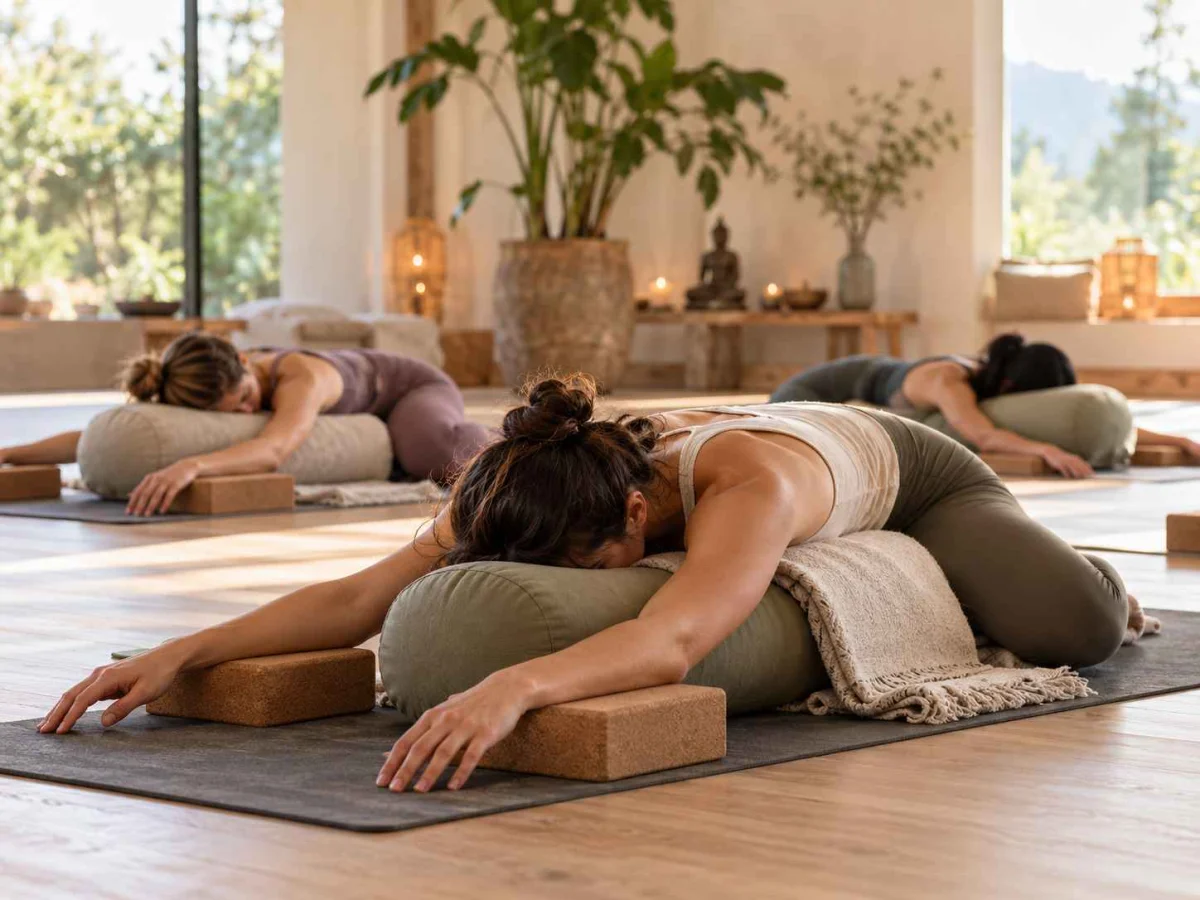
Yin Yoga in Thamel, Kathmandu
Slow down with Yin Yoga in Thamel, Kathmandu. Explore longer-held floor-based postures, quiet breathing and mindful stillness in a clas…
View details
Explore
 Related service
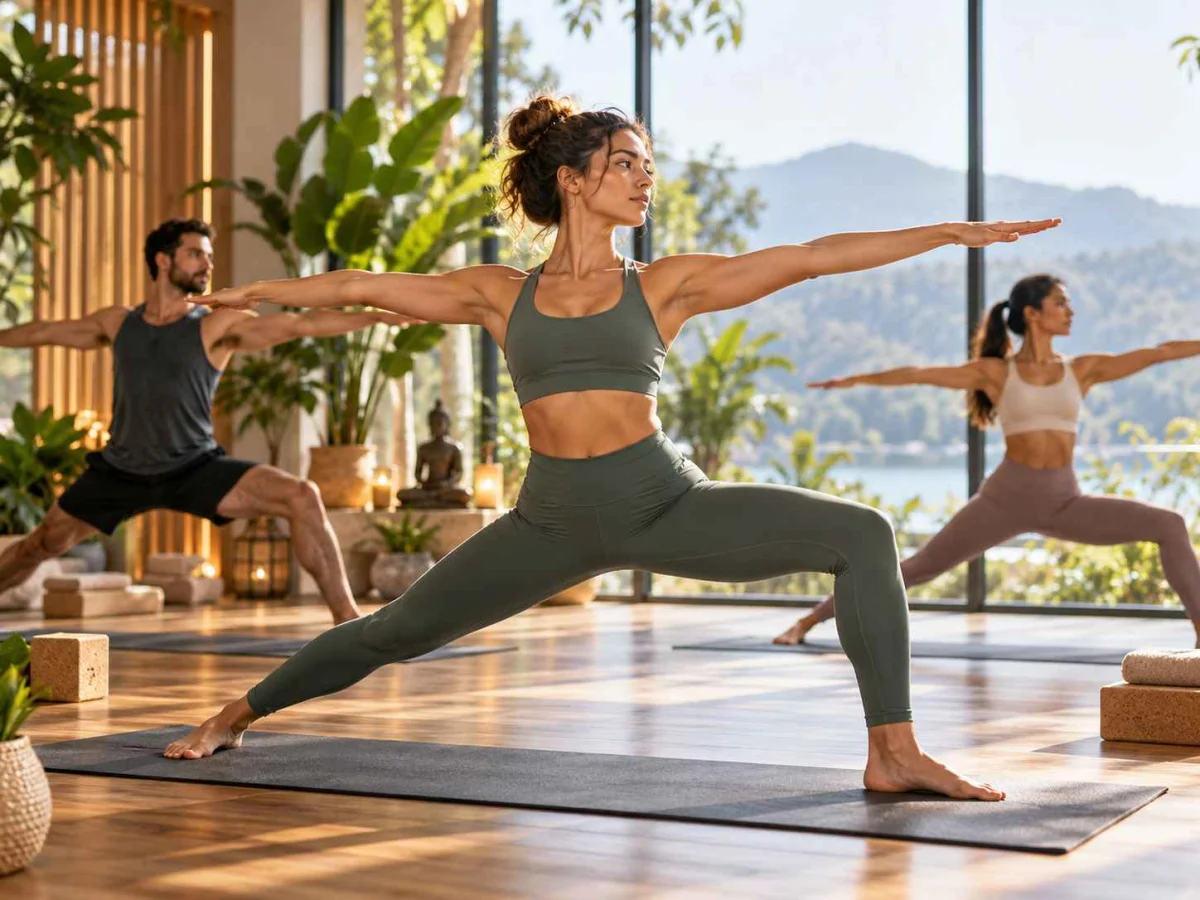
Vinyasa Yoga in Thamel, Kathmandu
Join Vinyasa Yoga in Thamel, Kathmandu for a breath-led flowing practice that develops movement awareness, balance, strength and focus…
View details
Explore
 Related service
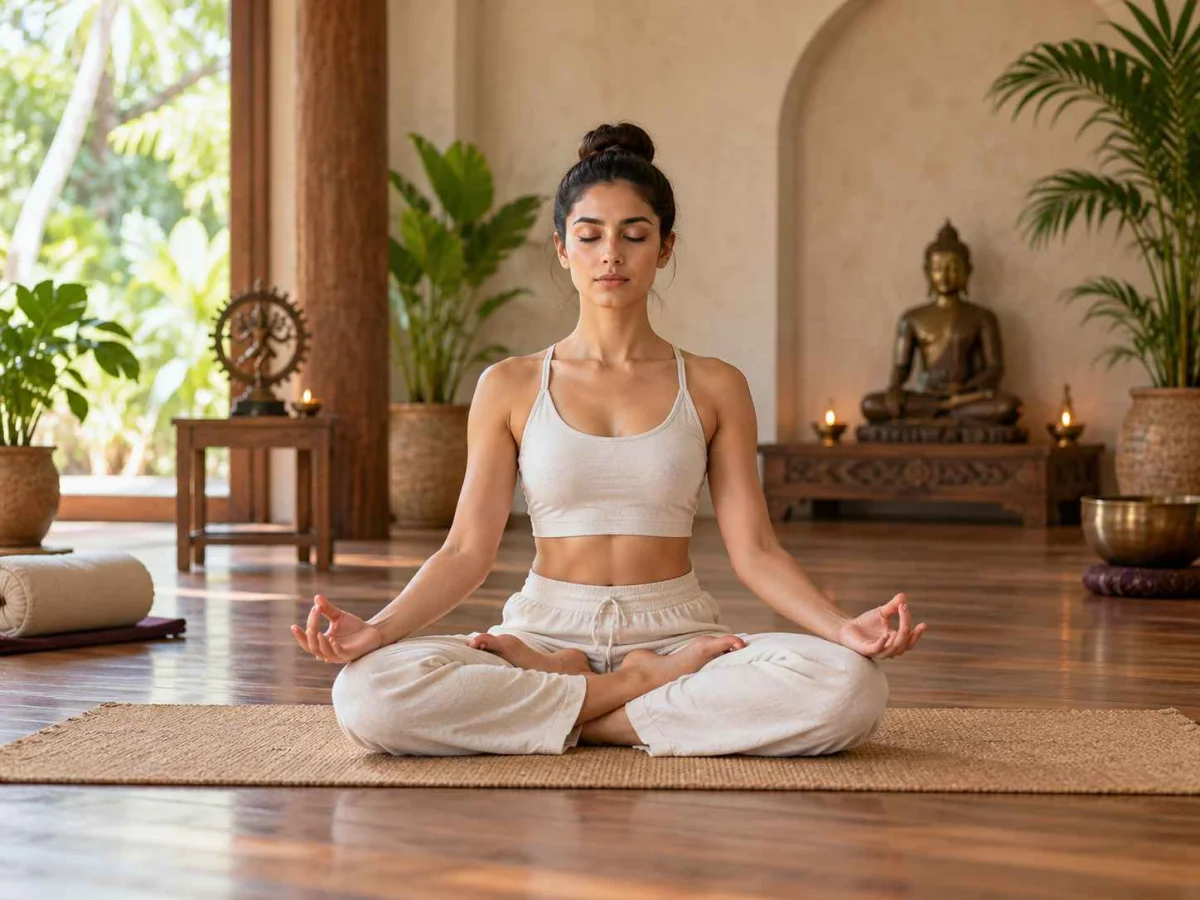
Hatha Yoga in Thamel, Kathmandu
Practice Hatha Yoga in Thamel, Kathmandu with a steady blend of postures, breath awareness and relaxation. Beginner-friendly daily yoga…
From NPR 1,000.00
Explore