Vinyasa Yoga in Thamel, Kathmandu
Join Vinyasa Yoga in Thamel, Kathmandu for a breath-led flowing practice that develops movement awareness, balance, strength and focus for beginners and experienced students.
About this service
The experience, the atmosphere, and what to expect when you arrive.
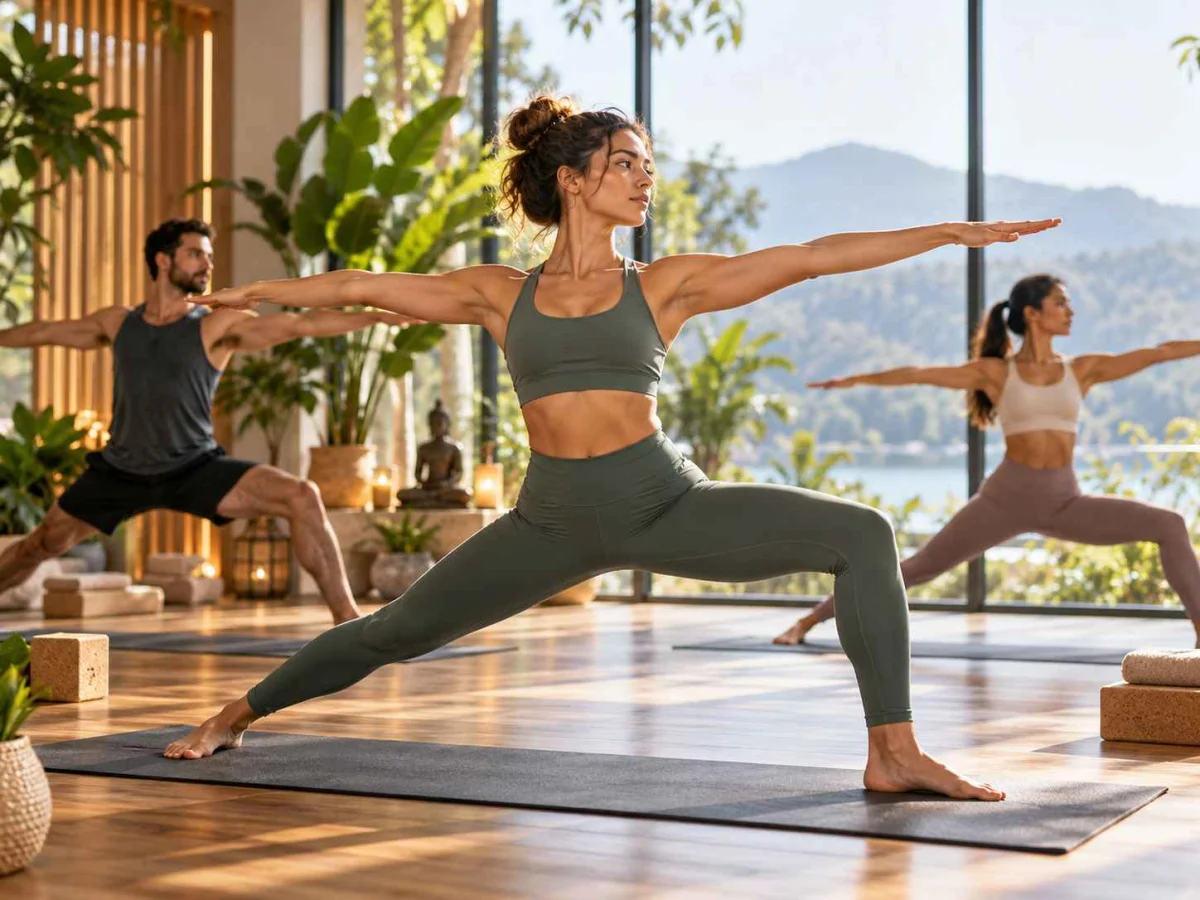
Join Vinyasa Yoga in Thamel, Kathmandu for a breath-led flowing practice that develops movement awareness, balance, strength and focus for beginners and experienced students.
Full description
Everything you need to know — in the studio’s own words.
Flow With Breath in Thamel
Vinyasa Yoga in Thamel, Kathmandu is for people who enjoy movement but still want yoga to feel attentive rather than mechanical. In Vinyasa, the breath helps organize the rhythm of the practice. Instead of treating each posture as an isolated shape, you move through a sequence in which one position prepares for the next.
A Vinyasa class can feel energetic, but speed is not the goal. The more useful aim is coordination: breathing, moving and noticing what is happening at the same time. That makes the practice both physical and mental.
What Happens During a Vinyasa Class?
The class usually starts with a quieter arrival, followed by movements that prepare the spine, shoulders, hips and legs. Sun Salutation variations may then build warmth before standing poses, lunges, balances and floor work are connected into flowing sequences. The exact sequence can change, which is one reason many students enjoy Vinyasa.
Teachers may use familiar poses such as Mountain, Forward Fold, Plank, Cobra or Upward-Facing Dog, Downward-Facing Dog, Warrior variations, Triangle and seated stretches. The way those poses are linked creates the “flow.”
Vinyasa Is Not a Competition
It is easy to assume that faster movement means advanced yoga. It does not. A useful Vinyasa practice keeps enough awareness that you can choose a modification, rest in Child’s Pose or skip a transition when your body needs something different. The breath should help regulate the practice rather than become something you ignore while trying to keep up.
Vinyasa Yoga for Travelers
Travel often involves long hours of sitting followed by sudden bursts of walking, trekking or sightseeing. A flow class can give you a structured way to move the whole body during your stay in Kathmandu. Thamel is especially convenient because you can fit a class around breakfast, sightseeing, trip preparation or an evening meal.
If you have just finished a demanding trek, however, an active flow may not be your first choice. Consider Yin Yoga or Hatha Yoga when you want a slower return to movement.
Vinyasa vs Hatha Yoga
Hatha Yoga normally gives you more time with individual poses, while Vinyasa makes transitions a larger part of the practice. Hatha can be useful when you want to examine alignment and technique; Vinyasa can be satisfying when you want those same postures to become part of a continuous sequence.
Vinyasa vs Ashtanga Yoga
Ashtanga Yoga follows a more defined sequence and traditionally places strong emphasis on repetition and consistency. Vinyasa classes are usually more flexible in how sequences are arranged. If you enjoy variety, Vinyasa may appeal to you; if you enjoy working repeatedly with a structured sequence, Ashtanga may be a better fit.
Vinyasa vs Yin Yoga
These styles sit at very different ends of the pacing spectrum. Vinyasa uses active transitions and flowing sequences. Yin Yoga usually involves fewer postures, longer holds and more stillness. Practicing both can create a useful balance across the week.
Breath-Led Movement
Breath is not decoration in Vinyasa. It is one of the main tools for pacing the practice. If your breathing becomes uncontrolled, slowing down can be a more skillful choice than continuing at the same intensity. Over time, this develops a stronger relationship between attention and movement.
Who May Enjoy Vinyasa?
What Should You Bring?
Wear clothing that lets you move freely and arrive well hydrated. Avoid a very heavy meal immediately before an active class. If you have an injury or physical limitation, tell the teacher before beginning so the practice can be adapted where appropriate.
Pair Flow With Stillness
After an active Vinyasa class, some students enjoy changing the pace completely. A Sound Bath in Thamel allows you to rest and listen, while Sound Meditation uses sound as a focus for awareness. You can also use Yin Yoga on another day when you want fewer transitions.
Practice Vinyasa Yoga in Kathmandu
Vinyasa can be strong without becoming aggressive, creative without becoming random, and energetic without losing the reflective side of yoga. The most important part is not how quickly you move but whether you can remain connected to breathing and awareness.
Explore Vinyasa Yoga in Thamel, browse our other daily classes, or see wellness packages in Kathmandu if you would like to combine yoga, sound and massage.
Book your Vinyasa Yoga class or contact us for the current schedule.
How a Vinyasa Sequence Is Built
A well-planned flow normally has a direction. Early movements prepare joints and muscles, standing sequences build heat and coordination, stronger poses appear after preparation, and the class eventually returns toward the floor. The value is not in making transitions complicated. It is in arranging movement so the class feels coherent.
This is especially important for beginners. Creative sequencing should never make students feel lost. Repeating a short pattern can be more useful than introducing a completely new transition every minute.
Is Vinyasa Yoga Cardio?
Some Vinyasa classes can raise the heart rate because movement is continuous, but yoga should not be reduced to a cardio workout. The practice also develops coordination, balance, controlled strength, mobility and attention. If you only judge the class by how much you sweat, you miss much of what makes Vinyasa yoga rather than ordinary exercise.
How Fast Should You Move?
The breath provides a useful reference. If movement is so fast that you cannot maintain comfortable breathing or basic control, slowing down is sensible. A teacher may intentionally vary pace across the class. Some sections may flow continuously; others may pause in a posture so you can understand alignment and stability.
Students sometimes believe they need to match the fastest person in the room. You do not. Yoga is more useful when you can respond intelligently to your own body.
Can Beginners Start With Vinyasa?
Yes, provided the session is suitable for beginners. You do not need to memorize Sun Salutations before attending. A teacher can explain common transitions and offer alternatives to Plank, Chaturanga or backbending positions. It is completely acceptable to place the knees down, choose Cobra instead of Upward-Facing Dog or pause in Child’s Pose.
If you prefer more time to learn each pose first, Hatha Yoga may be the easier entry point. You can return to Vinyasa once the basic shapes feel more familiar.
Vinyasa Yoga Before Trekking
Flow yoga can be a useful part of a broader pre-trek routine because it asks you to coordinate breathing, balance and lower-body movement. However, it does not replace progressive walking, hiking with elevation, appropriate footwear or strength preparation. Yoga is one part of readiness, not a shortcut to mountain fitness.
Immediately before a major trek, avoid turning class into a challenge that leaves you unnecessarily sore.
Vinyasa Yoga After Trekking
After trekking, decide based on fatigue rather than enthusiasm. If your legs feel reasonably recovered and you want to move, a moderate flow may feel good. If your body is very tired, choose Yin Yoga, Hatha Yoga or simply rest first.
Morning Flow in Kathmandu
A morning Vinyasa class can be a practical way to move before a day of sightseeing or work. The body may feel stiffer early in the day, so the first part of class should build gradually. Evening practice can also work well, especially for travelers who have spent a day sitting in vehicles or walking around the city.
What If You Have Wrist or Shoulder Sensitivity?
Vinyasa commonly includes weight-bearing through the hands, so tell the teacher about wrist or shoulder problems. The number of Plank-style transitions can be reduced, and alternatives can often be used. Continuing through sharp pain is not part of a successful yoga practice.
Private Vinyasa Sessions
A private class can help when you want to understand transitions more clearly, develop a home sequence or work at a pace different from a group. Group practice remains a strong option for most students and provides the energy of moving alongside other people.
Make Vinyasa Part of a Balanced Week
You do not need every yoga day to be dynamic. Alternating Vinyasa with Yin, Hatha, meditation or sound-based sessions can make your routine more varied and sustainable. If you are staying in Kathmandu for several days, explore our full service collection rather than repeating the same intensity every day.
Where to find us
Yoga Thamel welcomes you in Kathmandu, Nepal.
 Related service
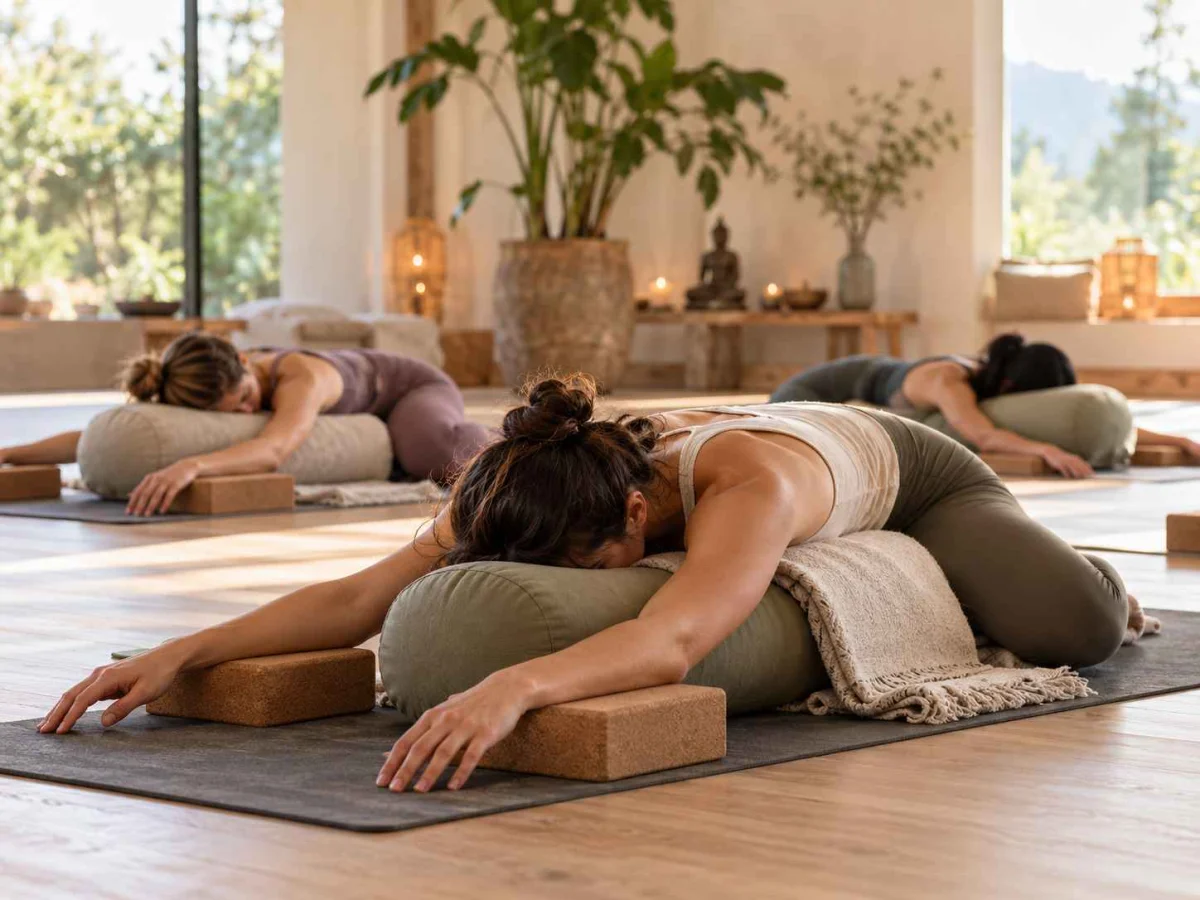
Yin Yoga in Thamel, Kathmandu
Slow down with Yin Yoga in Thamel, Kathmandu. Explore longer-held floor-based postures, quiet breathing and mindful stillness in a clas…
View details
Explore
 Related service
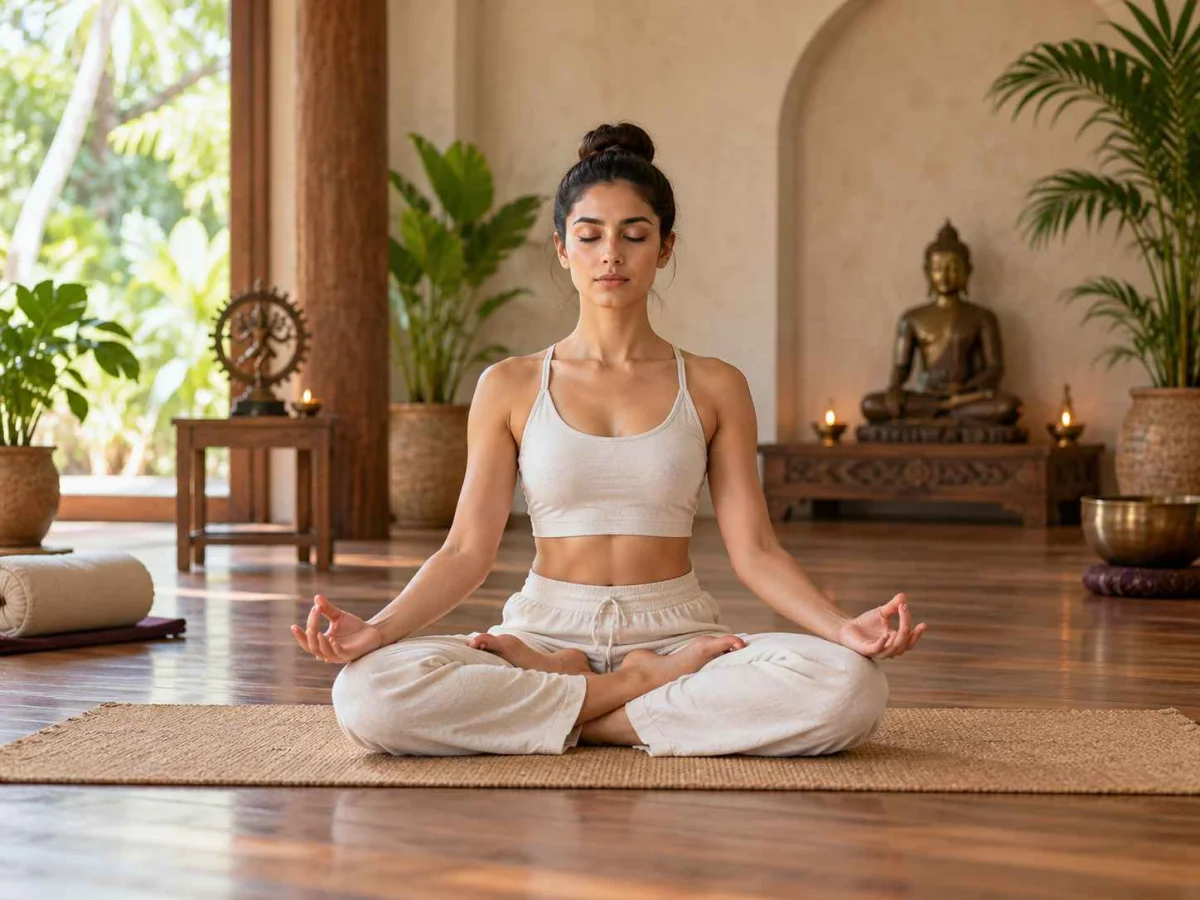
Hatha Yoga in Thamel, Kathmandu
Practice Hatha Yoga in Thamel, Kathmandu with a steady blend of postures, breath awareness and relaxation. Beginner-friendly daily yoga…
From NPR 1,000.00
Explore
Related service
Ashtanga Yoga in Thamel, Kathmandu
Practice Ashtanga Yoga in Thamel, Kathmandu through a structured sequence that combines breath, focused movement, repetition and discip…
View details
Explore