Deep Tissue Massage in Thamel, Kathmandu
Book Deep Tissue Massage in Thamel, Kathmandu for slow, focused work on stubborn muscular tension with pressure adjusted to your comfort and activity level.
About this service
The experience, the atmosphere, and what to expect when you arrive.
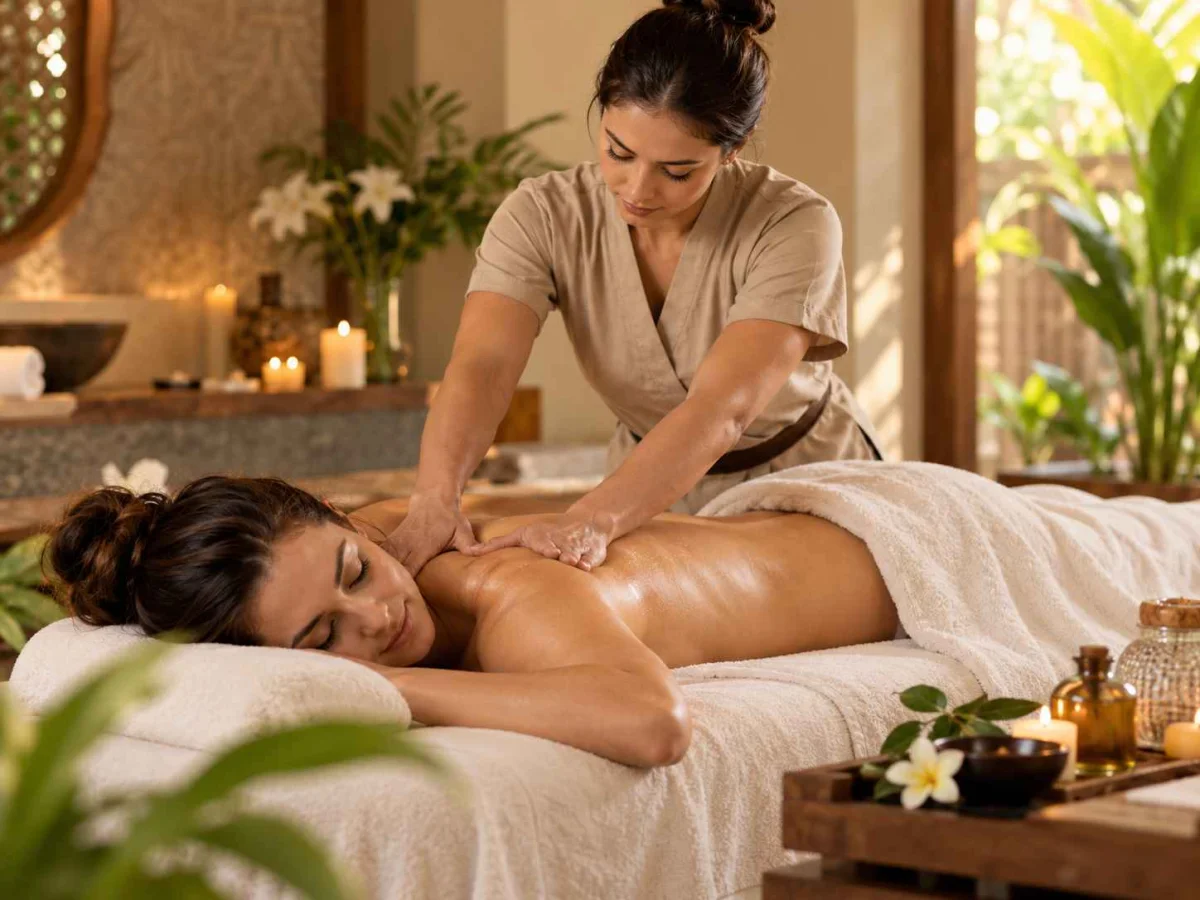
Book Deep Tissue Massage in Thamel, Kathmandu for slow, focused work on stubborn muscular tension with pressure adjusted to your comfort and activity level.
Full description
Everything you need to know — in the studio’s own words.
Focused Massage for Persistent Tension
Deep Tissue Massage in Thamel, Kathmandu is designed for guests who want more focused muscular work than a light relaxation massage. The therapist generally uses slower strokes and deliberate pressure to spend time on areas that feel persistently tight, such as the shoulders, upper back, lower back, hips or legs.
Deep tissue does not mean “as hard as possible.” Effective bodywork depends on communication. Pressure can be firm while still remaining controlled and appropriate for the person receiving it.
What Happens During Deep Tissue Massage?
Before the treatment, tell the therapist where you feel tension and whether there are any recent injuries or sensitive areas. The session may use broad warming strokes first and then become more specific. Depending on the therapist's approach, focused pressure, sustained holds, stretching or mobilization can be included.
A 60-minute session can work well when you want to concentrate on a smaller number of areas. Ninety minutes gives more time for detailed work without rushing the rest of the body.
Should Deep Tissue Massage Hurt?
No. There is a difference between strong pressure and pain. If you are holding your breath, tensing against the therapist or wanting the technique to stop, the pressure may be too much. Speak up. More force does not automatically produce a better result.
Deep Tissue Massage for Travelers
Travel can create very specific tension patterns. Backpacks load the shoulders, long flights involve prolonged sitting, and sightseeing adds hours of walking. Deep Tissue Massage can be chosen when you want more targeted work than a general relaxation session.
Deep Tissue Massage After Trekking
Some trekkers enjoy firm massage after returning to Kathmandu, but timing and condition matter. An exhausted muscle is not always improved by aggressive pressure. If your main need is post-trek attention, consider Trekker's Massage, which can be adjusted more specifically around the demands of hiking.
Do not massage through a fresh injury, severe swelling or unexplained pain simply because the trek is over.
Deep Tissue vs Hot Stone Massage
Hot Stone Massage emphasizes warmth and a soothing sensory experience. Deep Tissue focuses more directly on persistent tension with targeted pressure. Choose according to what you want from the session rather than assuming one is universally better.
Deep Tissue vs Nepali Traditional Massage
Nepali Traditional Massage provides a broader locally inspired full-body experience. Deep Tissue is more defined by the depth, pace and specificity of the work.
Who May Prefer Deep Tissue?
What to Tell Your Therapist
Mention recent injuries, surgery, pregnancy, medical restrictions, numbness, skin issues and medications that affect bruising or sensation. A massage session should be adjusted around relevant health information rather than delivered identically to everyone.
Combine Massage With Mindful Movement
On another day, use Hatha Yoga for steady movement or Yin Yoga for a slower practice. A Sound Bath is an option when you want a wellness experience without additional physical work.
Book Deep Tissue Massage in Thamel
Deep Tissue Massage is most useful when the therapist has enough information to work intentionally and you communicate openly about pressure.
Explore Deep Tissue Massage, compare our massage services, or view wellness packages in Thamel.
Book your massage or contact us for available times.
What Does “Deep Tissue” Actually Mean?
The term refers to slower, more targeted work intended to reach and influence deeper layers of muscle and connective tissue. It does not mean the therapist should simply press as hard as possible. Technique, angle, pacing and communication matter as much as raw pressure.
Why Slow Pressure Matters
If pressure is applied too quickly, the body may respond by tensing. Slower work gives the therapist time to feel how an area responds and gives you time to communicate. A skilled session may alternate broad warming strokes with specific work instead of using the same intensity everywhere.
Common Areas People Request
Travelers and desk workers frequently ask for additional attention around the shoulders, upper back, hips and legs. Trekkers may focus on calves and thighs. The treatment should still consider the whole person rather than attacking one “knot” for an excessive amount of time.
What Is a Muscle Knot?
People commonly use “knot” to describe a localized area of tightness or tenderness. The everyday term is useful for communication, but a massage therapist should avoid giving a medical diagnosis outside their scope. If a painful lump, swelling or symptom is unusual, seek appropriate assessment.
Deep Tissue Massage for Desk Workers
Long periods at a laptop can make the shoulders and back feel overloaded. Massage may provide a useful break and focused bodywork, but it does not replace regular movement, ergonomic adjustments and medical assessment when symptoms persist or include numbness or weakness.
Deep Tissue Massage for Active Travelers
Climbing stairs, carrying luggage, trekking and walking around Kathmandu can all create fatigue. A targeted massage may be appropriate when your main complaint is muscular tightness rather than acute injury. Tell the therapist what activities you have been doing instead of only pointing to the painful area.
How Much Soreness Is Normal Afterward?
Some people report temporary tenderness after firm massage, but significant pain or bruising should not be treated as proof that the session “worked.” If you are sensitive to pressure or bruise easily, say so before treatment. A good therapist can work effectively without trying to overwhelm your tissues.
Who Should Avoid Very Firm Pressure?
People with certain medical conditions, bleeding or bruising risks, recent surgery, acute injury or altered sensation may need modification or medical guidance. Pregnancy also changes positioning and technique. Disclose relevant information before the session.
Deep Tissue vs Sports Massage
The terms sometimes overlap, but sports massage is usually organized around athletic activity, performance or recovery, while deep tissue describes the style and depth of manual work. Our Trekker's Massage is the more activity-specific option for visitors returning from hiking.
Deep Tissue vs Relaxation Massage
A relaxation-focused massage uses smoother, generally lighter work across the body. Deep tissue spends more time on specific areas and usually uses firmer pressure. If your priority is calm rather than targeted muscular work, choose a gentler service instead.
What to Do Before Your Appointment
Arrive with enough time to explain your needs. Avoid arriving immediately after a huge meal or strenuous workout. Tell the therapist which areas matter most and whether you have had deep tissue massage before.
What to Do Afterward
Resume normal hydration, move gently and pay attention to how you feel. There is no need for dramatic detox rituals. If you experience unusual or persistent symptoms, seek appropriate health advice rather than assuming they are a normal massage reaction.
Choosing Deep Tissue Massage in Thamel
For visitors, the strongest reason to choose deep tissue is specific: you want deliberate, firmer work and you know that style suits you. If you mainly want a comfortable local massage, Nepali Traditional Massage may be the better match.
Where to find us
Yoga Thamel welcomes you in Kathmandu, Nepal.
 Related service
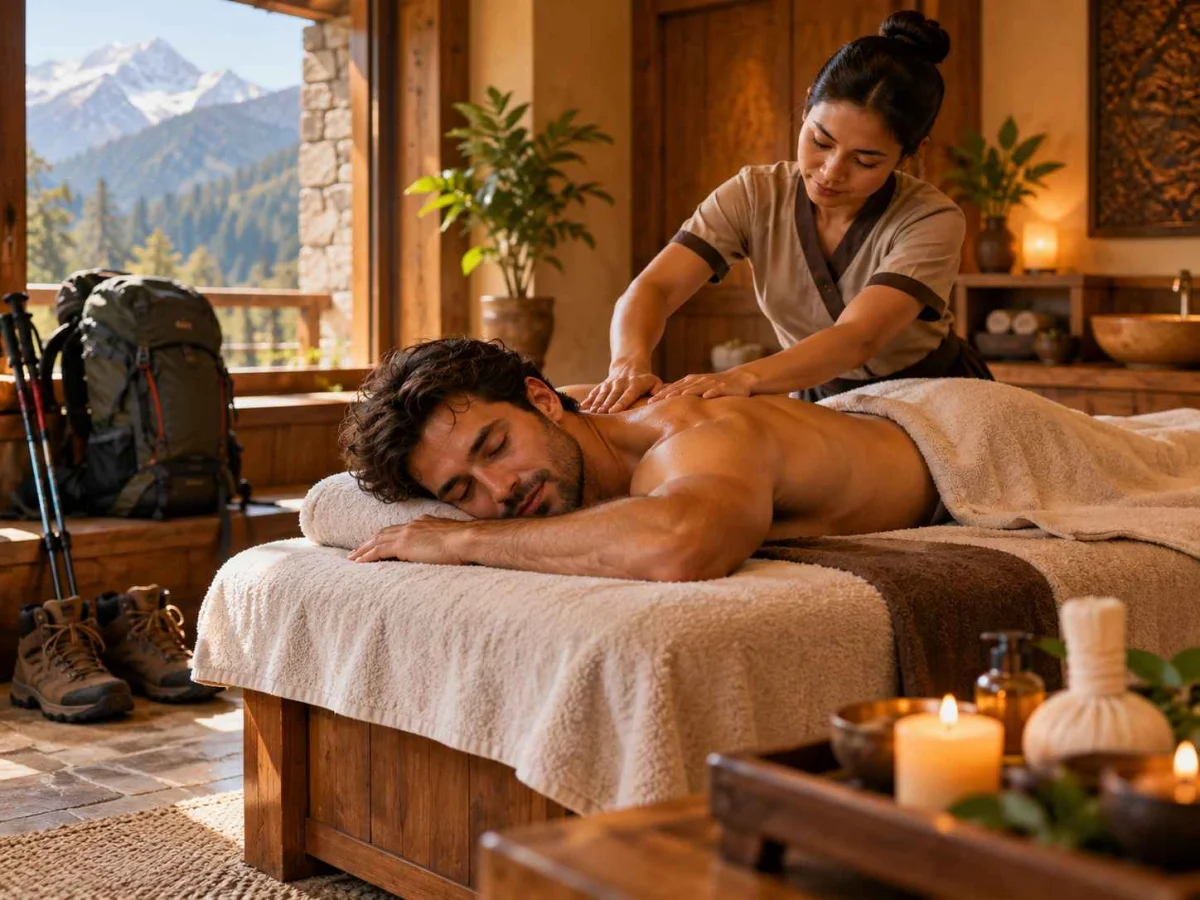
Trekker's Massage in Thamel, Kathmandu
Book a Trekker's Massage in Thamel, Kathmandu for tired legs, shoulders and feet after hiking in Nepal, with pressure and stretching ad…
View details
Explore
 Related service
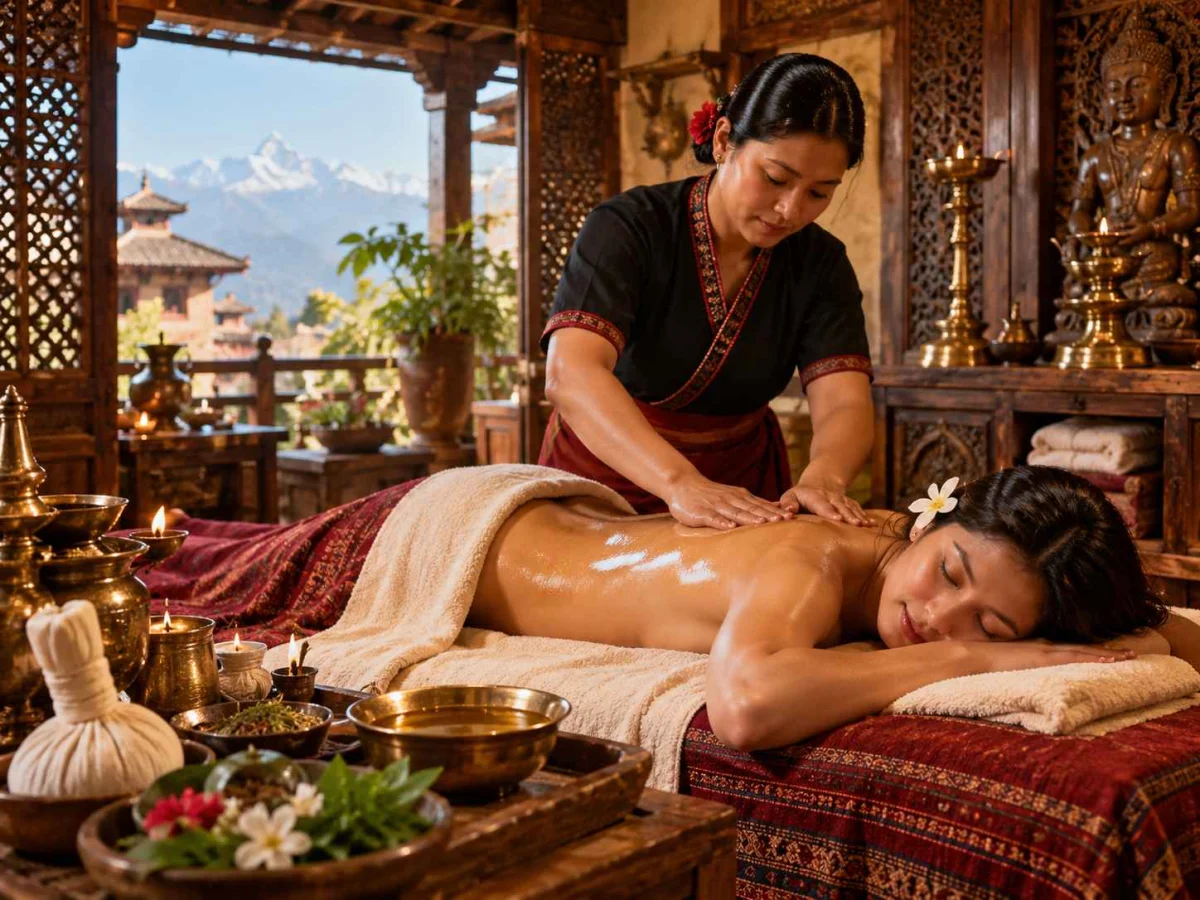
Nepali Traditional Massage in Thamel, Kathmandu
Experience Nepali Traditional Massage in Thamel, Kathmandu with rhythmic hands-on bodywork adapted to your preferred pressure and trave…
View details
Explore
 Related service
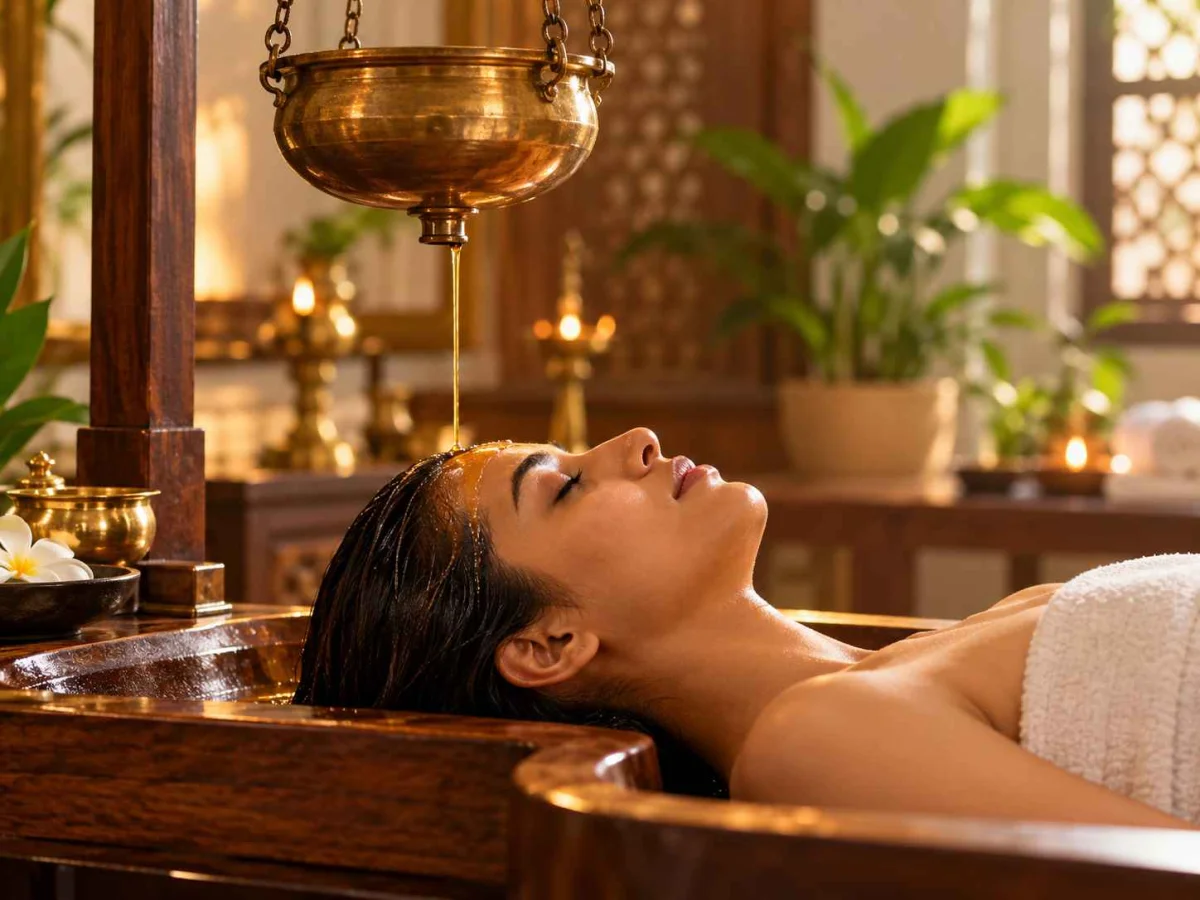
Shirodhara in Thamel, Kathmandu
Experience Shirodhara in Thamel, Kathmandu, an Ayurvedic-inspired wellness ritual in which warm oil is poured in a controlled stream ov…
View details
Explore
 Related service
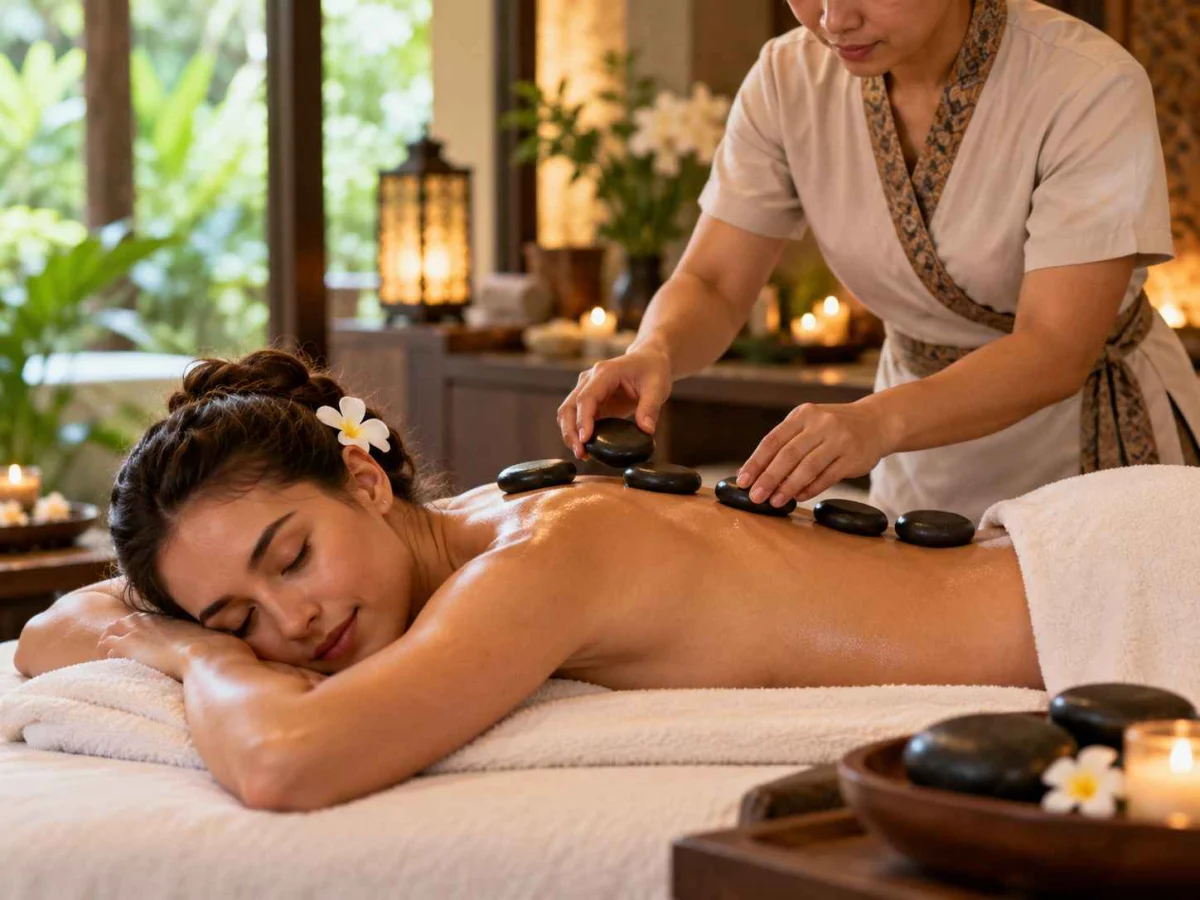
Hot Stone Massage in Thamel, Kathmandu
Relax with a Hot Stone Massage in Thamel, Kathmandu using warmed smooth stones and hands-on massage techniques for a soothing wellness…
View details
Explore